Identity Theft
At Jasper Banking Company, we take Internet security seriously. We value
our customers and the relationships we have built with you and your
family and hope that you never become the victim of Cyber-Fraud or
Identity Theft. Because Cyber-Fraud and Identity Theft are such
fast-growing crimes, we want you to be aware of the basic precautions
you can take to protect yourself.
Internet fraud can be any type of scheme that uses the Internet—chat
rooms, email, message boards or websites—to deceive prospective victims.
These schemes, scams and frauds take advantage of the Internet’s unique
capabilities—sending email messages worldwide in seconds or posting
website information that is readily accessible from anywhere in the
world — to carry out fraud quicker than ever possible in the past.
Phishing
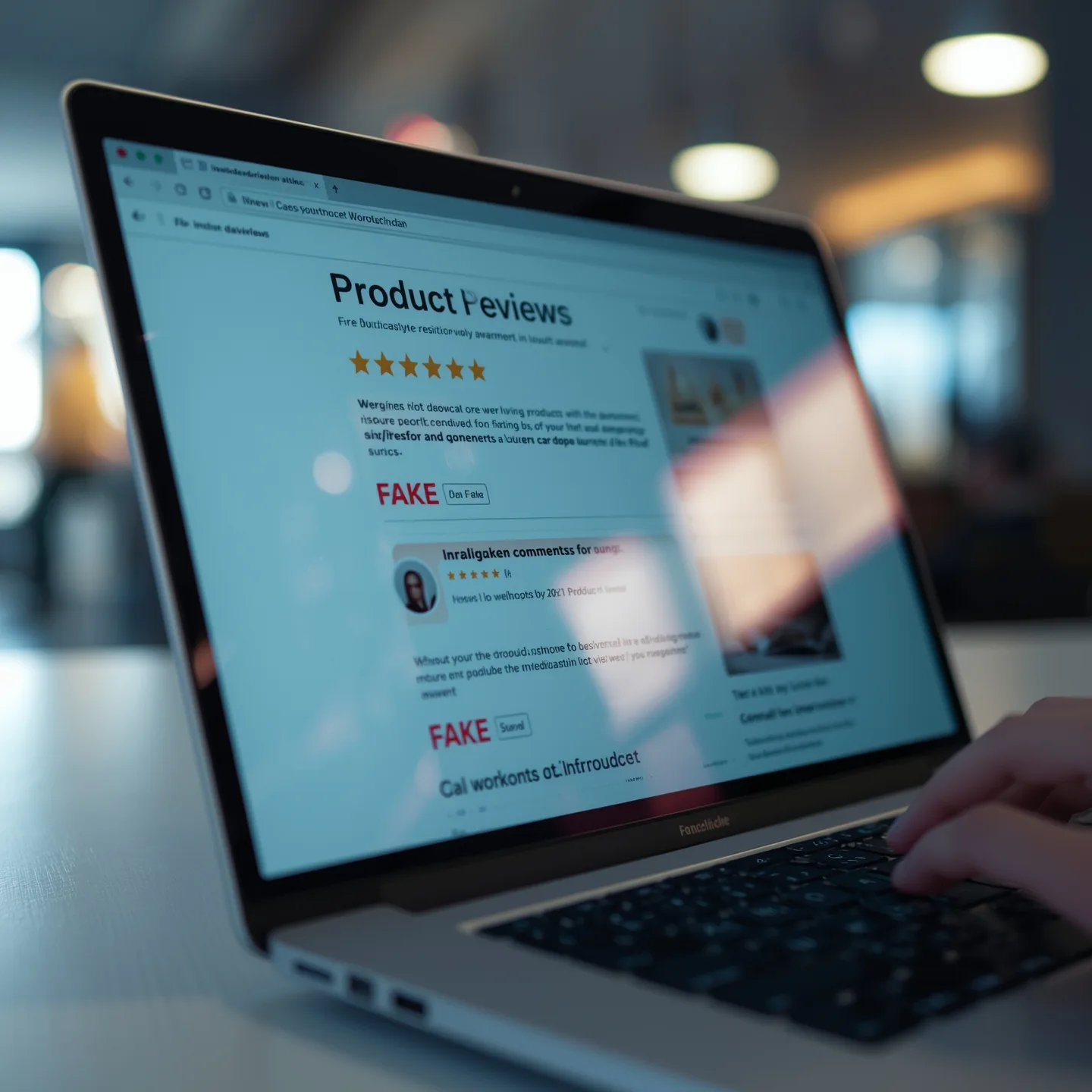
Phishing is a high-tech scam that uses spam or pop-up messages to trick
you into disclosing your personal credit card numbers, bank account
information, Social Security number, passwords or other sensitive
information.
Phishers send an e-mail or pop-up message that claims to be from a
business or organization that you deal with. For example, the e-mail may
purport to be from your Internet service provider (ISP), bank, online
payment service, or even a government agency.
The message usually says that you need to "update" or "validate" your
account information. It might threaten some dire consequence if you
don't respond. The message usually contains a link to what appears to be
the bank WEB site that looks just like a legitimate organization's site
but is in fact a bogus site created to STEAL your identity and account
information.Listed are a few tips to help you avoid getting hooked by a phishing
scam:
CYBER -DEFENSE TACTICS:
- If you receive an email that warns you, with little or no notice, that
your account will be shut down unless you reconfirm certain information,
do not click on the email link. Instead, use a phone number or enter the
web address yourself. Clicking on a link that looks legitimate may in
fact direct you to a fraudulent website where crooks will steal your
personal information. Remember, Jasper Banking Company or a government
agency will never send you an alert asking you to disclose your personal
information.
- Before submitting any financial information to a legitimate website,
look for the “lock” icon on the browser status bar, or look for “https”
in the web address. Both are indications that the information is secure
and encrypted during transmission.
- Report suspicious activity to the Federal Trade Commission (FTC)
Consumer Response Center (www.ftc.gov).
You can file a complaint with the FTC against a company or organization
that you believe has cheated you by contacting the Consumer Response
Center by phone: toll free 877-FTCHELP (382-4357) – TTY: 202-326-2502
Spoofing
Web spoofing allows an attacker to create a “shadow copy” of any
legitimate website. Access to the shadow web is funneled through the
attacker’s machine, allowing the attacker to monitor all of the victim’s
activities, including any passwords or account numbers the victim
enters. The attacker can also cause false or misleading data to be sent
to web servers in the victim’s name, or to the victim in the name of any
web server. In spoofing, an attacker gains unauthorized access to a
computer or a network by making it appear that a malicious message has
come from a trusted machine by “spoofing” the address of that machine.
Phishing and spoofing often go hand-in hand in Internet fraud.
CYBER-DEFENSE TACTICS:
- Be wary of unsolicited or unexpected emails from all sources.
- If an unsolicited email arrives, treat it as you would a phishing
source. Be cautious about opening any attachment or downloading any
files from e-mails you receive, regardless of who sent them.
Identity Theft Frauds
Internet fraudsters often use identity theft as a starting point for
larger crimes. In one case, criminals obtained the names and social
security numbers of military personnel then used them to apply to a bank
over the Internet for credit cards. In another case, stolen personal
data was used to submit car loan applications online.
CYBER-DEFENSE TACTICS:
- Review credit card and bank account statements as soon as you receive
them to determine whether there are any unauthorized charges. If your
statement is late by more than a couple of days, call your credit card
company or bank to confirm your billing address and account balances.
- Your personal information can be obtained by “phishing,” “spoofing,”
or the old fashioned way — dumpster diving. Make sure your unused
checks, bills, credit/debit card receipts, credit card applications you
receive in the mail where you have already been pre-qualified and
statements are shredded before discarding.
General Tips Against Cyber-Fraud
Use Anti-Virus Software and keep it up to date. Some phishing emails
contain software that can harm your computer or track your activities on
the Internet without your knowledge. Anti-virus software and a firewall
can protect you from inadvertently accepting such unwanted files.
Anti-virus software scans incoming communications for troublesome files.
Look for anti-virus software that recognizes current viruses as well as
older ones; that can effectively reverse the damage; and that updates
automatically.
A firewall helps make you invisible on the Internet and blocks all
communications from unauthorized sources. It’s especially important to
run a firewall if you have a broadband connection. Finally, your
operating system (like Windows or Linux) may offer free software
“patches” to close holes in the system that hackers or phishers could
exploit.
Use Common Sense.
Consumer Resources
The Internet is a great tool...for information, and to conduct on-line
business, as long as consumers take appropriate precautions and are
aware of the possibility that someone may be trying to scam them. If it
seems too good to be true, it probably is. The consumer information
links below exist to assist customers in locating information and
providing guidance on how to file complaints when appropriate.
- Internet Fraud Complaint Center (IFCC)
www.ifccfbi.gov The IFCC’s mission is to combat fraud committed over the Internet
through a unique partnership between the National White Collar Crime
Center (NW3C) and the Federal Bureau of Investigation (FBI). The IFCC
website allows consumers to report Internet fraud, among other services.
- Consumer Fraud (DOJ/Homepage)
www.usdoj.gov “Fraud” is a link on the Department of Justice’s (DOJ) homepage under
“Information for Individuals and Communities.”
- FirstGov (Your First Click to the U.S. Government)
www.firstgov.gov “FirstGov” is a free-access website designed to give a centralized place
to find information from local, state, and U.S. Government Agency
websites. Consumers may call the toll-free number at 1-800-FED-INFO
(1-800-333-4636).
- Consumer.gov
www.consumer.gov
“Consumer.gov” is a “one-stop” link to a broad range of federal
information resources available online.
- Social Security Administration
www.ssa.gov
Report Fraud: 800-269-0271
- Identity Theft Resource Center
www.idtheftcenter.org 858-693-7935
|
|